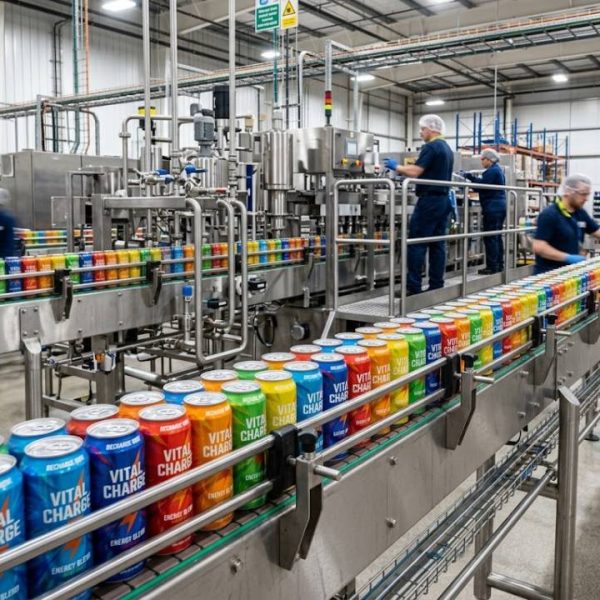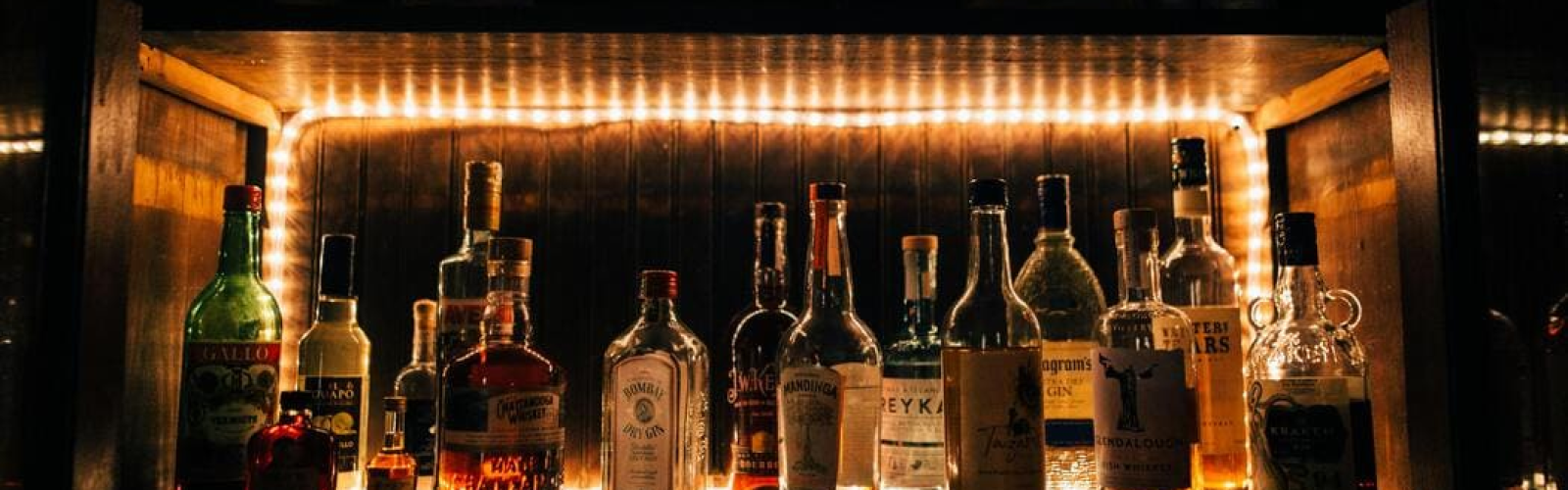

Expanding a brand from one product category to another—such as jumping from energy drinks into alcoholic beverages—can unlock powerful new revenue streams, but it also multiplies your operational complexity. Different regulations, new customer expectations, dual marketing strategies, and changed logistics all collide. To keep growth sustainable, you must think like a portfolio manager, not just a product creator, and build systems that scale across both markets.
1. Understand the Core Brand Promise Before You Diversify
Before moving from non-alcoholic to alcoholic products, define the core promise that unites everything under your brand. Are you selling “energy and performance,” “nightlife and fun,” or “lifestyle and status”? This promise should be strong enough to stretch across categories without confusing your audience.
- Clarify your identity: What emotion or outcome do customers associate with your products?
- Map customer overlap: Identify segments that are likely to consume both energy drinks and alcohol-based products.
- Set guardrails: Decide what your brand will never do, so you don’t dilute credibility when scaling.
2. Build Administrative Systems That Scale With Both Markets
Dual product lines mean dual paperwork: suppliers, distributors, bar owners, retailers, and online buyers all expect professional, compliant documents. A streamlined invoicing workflow keeps cash flow predictable and reduces friction when you’re moving high volume in two different categories. Using tools like an online invoice generator lets you standardize your billing, cut down on manual errors, and keep your accounting transparent for investors and regulators.
3. Segment Your Audiences, Then Cross-Sell Intelligently
Even if some customers enjoy both energy drinks and alcohol, you’re still addressing distinct consumption occasions. Energy drinks are often used for work, study, sports, or gaming. Alcoholic products are tied to nightlife, socializing, and relaxation. Respect these differences, but look for smart cross-overs.
- Create occasion-based campaigns: Position energy drinks for “pre-game” focus or stamina, and alcoholic products for “prime-time” social experiences.
- Bundle strategically: Offer combo packs for parties or events where both beverages are in demand.
- Leverage data: Use CRM insights to detect who buys what, and tailor cross-promotions responsibly.
4. Navigate Regulations and Compliance Proactively
Alcohol comes with a serious regulatory layer: age verification rules, advertising restrictions, labeling requirements, and distribution laws that vary by region or country. If you already operate in the energy drink space, don’t assume your existing processes will cover these needs.
- Audit every market: Know which licenses, permits, and labeling rules apply to your alcoholic line versus your energy products.
- Set internal policies: Create clear internal guidelines about alcohol-related marketing, sponsorships, and influencer campaigns.
- Train your team: Ensure sales and marketing teams understand compliance boundaries to avoid fines and reputational damage.
5. Differentiate Product Design While Keeping Brand Cohesion
Your energy drink and alcohol products should be visually related but functionally distinct. Packaging, colors, and typography can echo your master brand, yet the cues should clearly signal which product category the consumer is looking at.
- Use a master-brand + sub-brand structure: Keep one recognizable logo, while giving each product line its own clear sub-identity.
- Avoid confusion in-store: Make sure alcoholic items can’t be mistaken for regular energy drinks, especially in markets sensitive about underage consumption.
- Design for different shelves: Remember that energy drinks and alcohol often live in separate store zones—optimize packaging for both contexts.
6. Optimize Your Distribution Mix for Two Different Behaviors
Energy drinks often thrive in convenience stores, supermarkets, gyms, and vending machines. Alcohol, by contrast, depends heavily on bars, clubs, restaurants, and licensed retailers. To succeed in both markets, your distribution strategy must be intentionally split but operationally aligned.
- Map key touchpoints: Identify where your target consumers most often buy each product type.
- Develop channel-specific offers: Volume deals for bars, margin-focused packs for retailers, and trial-size cans for on-the-go outlets.
- Standardize back-office processes: Use unified inventory and reporting systems even when front-end channels are very different.
7. Craft Dual Content Strategies for Search and Social
Your SEO and content plan should reflect the dual nature of your brand. People searching for energy drinks typically use performance-related keywords, while alcohol searches skew toward taste, events, and cocktails. Maintain separate content funnels that ultimately lead back to one unified brand story.
- Build two content pillars: One centered on energy, focus, and productivity; another on nightlife, celebrations, and mixology.
- Use clear content labeling: Blog posts, recipes, and guides should clearly indicate whether they relate to alcohol or non-alcoholic products.
- Respect platform rules: Some ad platforms restrict alcohol promotion—plan organic and paid content accordingly.
8. Protect Brand Reputation With Responsible Messaging
Balancing a performance product with an intoxicating one demands careful communication. You must avoid implying that combining energy drinks and alcohol is always safe or recommended, and you should emphasize moderation when talking about alcoholic offerings.
- Set a public responsibility stance: Include clear messaging about age limits, moderation, and safe consumption.
- Separate performance from intoxication: Position your energy drink around productivity and stamina, not as a direct partner to heavy drinking.
- Monitor user-generated content: Encourage responsible posts and quickly address content that misrepresents your brand’s values.
9. Use Data to Align Product Development Across Both Lines
When you operate in two beverage categories, you gain access to more diverse customer data. Use this advantage to shape flavors, formats, and limited editions that resonate in both markets.
- Track flavor preferences: If tropical flavors dominate energy drink sales, test similar profiles in your alcoholic line.
- Experiment with formats: Cans, bottles, and ready-to-drink mixes can bridge the gap between categories.
- Launch seasonal drops: Coherent campaigns—like summer or festival editions—across both product types can increase brand visibility and loyalty.
10. Build a Scalable Finance and Operations Backbone
Finally, sustainable growth across energy drinks and alcohol hinges on operational discipline. As volumes rise in both categories, you need accurate forecasting, streamlined supplier management, and clean financial records. Invest early in systems that automate repetitive tasks, centralize documentation, and give leadership clear visibility into performance by product line, channel, and region. That backbone lets you pursue aggressive expansion without losing control.
Conclusion: One Brand, Fully Leveraged Across Two Markets
Running a brand that spans energy drinks and alcoholic beverages can be a competitive advantage if you manage it deliberately. By defining a strong core promise, designing distinct yet coherent product lines, and tightening your operations, you can capture more occasions and more revenue without sacrificing clarity or compliance. Treat both sides of the business as connected but not interchangeable, and support them with robust systems that keep your brand focused, credible, and ready to scale.